Bottle position significantly impacts wine preservation, especially for long-term storage. The traditional horizontal storage method isn't just aesthetic—it's scientifically based on cork maintenance and wine chemistry.
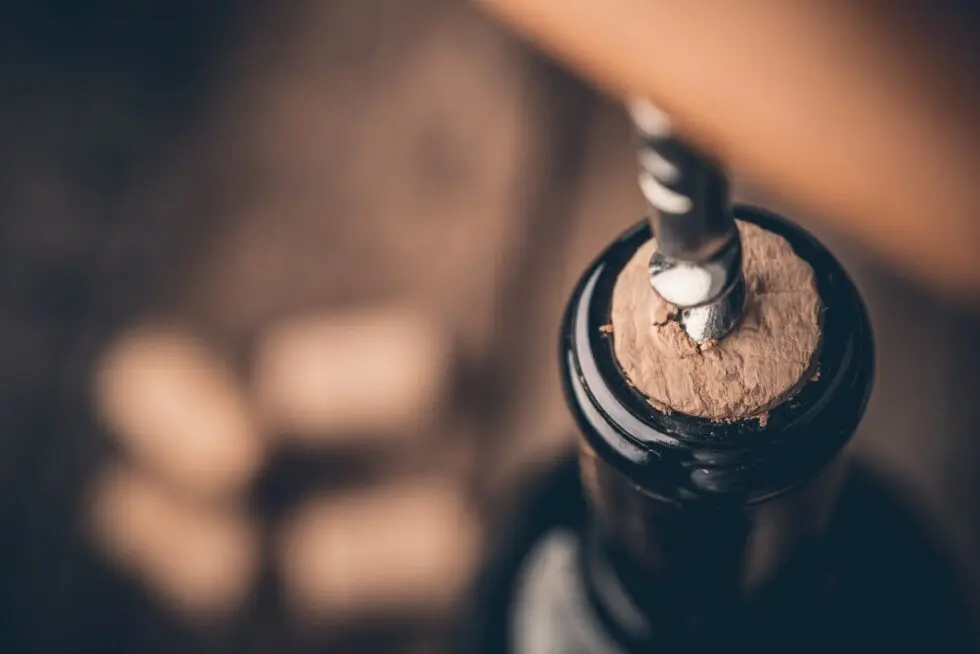
Horizontal storage keeps natural corks in contact with wine, preventing them from drying out and shrinking. Dried corks allow air to enter the bottle, causing oxidation that turns wine into vinegar-like liquid. This is particularly crucial for wines stored longer than six months.
However, storage position depends on closure type. Wines with synthetic corks or screw caps can be stored upright without cork-related issues, though horizontal storage still offers advantages for organization and space efficiency in storage units.
For natural cork wines, the slight downward angle (neck slightly lower than bottom) is ideal. This position keeps corks moist while allowing any sediment to settle at the bottle's bottom, away from the neck area where it might be disturbed during opening.
Avoid storing bottles at steep angles or upside down, as this can drive corks deeper into bottles or cause excessive pressure on closures. Consistent positioning throughout storage prevents sediment disturbance in older wines.
Storage racks should hold bottles securely without pressure points that could cause vibration or stress. Wine storage units benefit from sturdy, vibration-dampening racks that maintain proper positioning even with facility access activity.
Temperature fluctuations affect cork expansion and contraction regardless of position, making climate-controlled storage essential for maintaining proper cork seal integrity over time.
For short-term storage (under three months), upright storage won't significantly harm most wines, but horizontal remains the preferred method for consistency and space optimization.